
A lower purchase price can hide reduced remaining life, unknown history or internal damage. A legal part-worn tyre still needs the required markings and must be safe, correctly specified and free from dangerous defects.
Buying part-worn tyres: what to know is easier to understand when you separate the immediate decision from the checks behind it. A lower purchase price can hide reduced remaining life, unknown history or internal damage.
A useful comparison includes the tyre’s exact specification and the complete fitted price. Delivery, valves, balancing, disposal, call-out charges and remaining usable life can change which option represents better value.
Short answer: A lower purchase price can hide reduced remaining life, unknown history or internal damage.
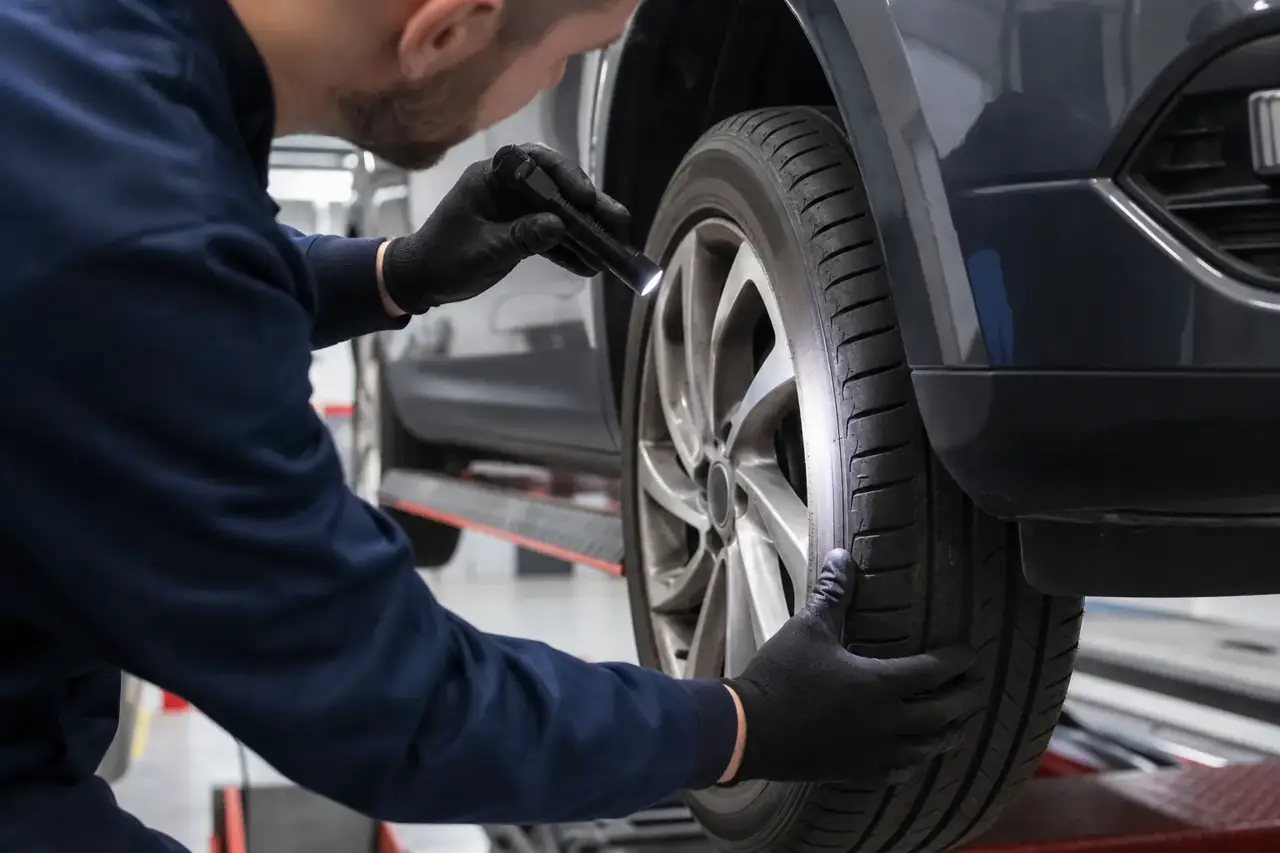
What you need to know
The important detail
A legal part-worn tyre still needs the required markings and must be safe, correctly specified and free from dangerous defects.
Put this item on every quote so apparently similar prices can be compared fairly.
What it means in practice
Compare usable tread and total fitted cost rather than headline price alone.
Ask what is included and what could be added at checkout or by the fitter.
What drivers often miss
Internal damage may not be visible while the tyre remains on a wheel.
Consider remaining service life and convenience as well as the amount paid today.
Buy only from a reputable supplier that inspects and marks part-worn tyres correctly.
A sensible check, step by step
-
Compare the complete fitted price rather than the tyre-only headline.
-
Check whether valves, balancing, disposal and VAT are included.
-
Do not trade away the correct specification or safe condition to save money.
Common mistakes to avoid
- Relying on a single quick glance instead of checking the whole tyre and its inner edge.
- Using a generic number or internet tip when the vehicle handbook gives a specific requirement.
- Assuming a tyre is safe because no dashboard warning is showing.
What to do next
Check the complete tyre specification and condition in good light. Write down anything that differs between the four corners of the car. If the tyre may be unsafe, avoid unnecessary driving and arrange an inspection by a competent tyre professional.
Quick questions
Can I rely on a visual check?
No. A visual check is useful for obvious damage, but pressure, tread depth and internal condition may need the correct gauge or a professional inspection.
Should I check only before an MOT?
No. Tyres change between tests. Regular checks and a check before long journeys are a better routine.
What if I am still unsure?
Treat uncertainty about damage, fitment or pressure as a reason to ask a competent tyre professional before continuing a journey.
Find local tyre help Search tyre prices →